

Why Tree Management Matters in Schools
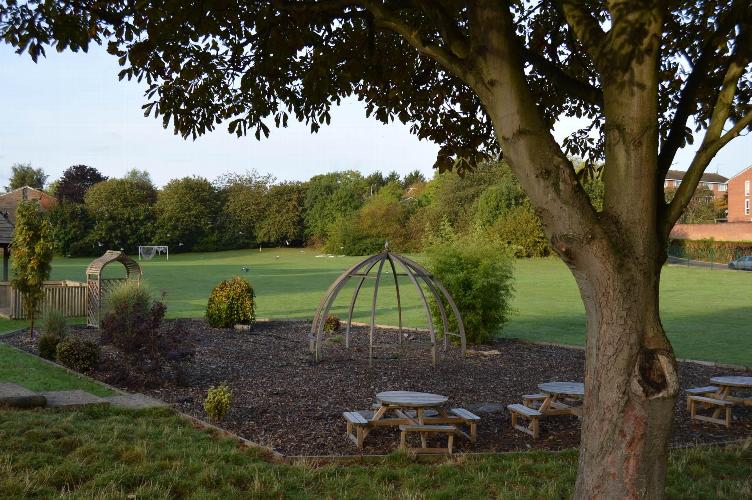
Trees are an important part of the school environment. They provide shade, wildlife habitat, seasonal interest and opportunities for children to engage with the natural world, while mature trees can make a significant contribution to the character and setting of a school.
Schools are also unusual environments from a tree-management perspective. Playgrounds, entrances, paths, sports areas and outdoor teaching spaces can be occupied frequently and, importantly, by children. Trees may also be situated alongside public footpaths, highways, neighbouring properties and areas used by parents at the beginning and end of the school day.
Effective tree management therefore involves more than simply arranging a periodic inspection. It requires an understanding of the tree stock, appropriate inspection by competent people, clear identification of significant defects, proportionate recommendations and, crucially, a system for ensuring that necessary actions are completed.
Tree safety does not mean attempting to eliminate every conceivable risk. Trees are living structures and some degree of risk is unavoidable. The objective is to identify foreseeable risks and manage them reasonably and proportionately, while retaining the considerable environmental, educational and amenity benefits that trees provide.
Good tree management allows schools to retain valuable trees with confidence while demonstrating that their responsibilities for pupils, staff, visitors and the wider public are being properly considered.