
Managing Trees in Housing: From Inspection to Action
Trees are an important part of housing estates, providing shade, wildlife habitat, landscape character and environmental benefits for residents. For housing providers, however, managing large and often geographically dispersed tree populations presents particular challenges.
Good tree management is not simply about commissioning periodic surveys. The value of an inspection ultimately depends upon what happens afterwards.
A proportionate approach
The National Tree Safety Group (NTSG) promotes a balanced and proportionate approach to tree safety. The objective is not to eliminate all risk from trees, but to manage significant risks reasonably while recognising the considerable benefits that trees provide.
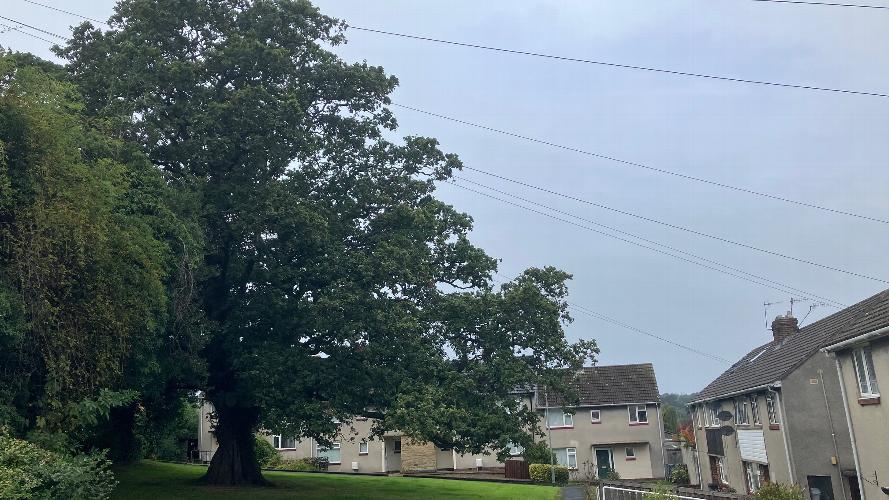
A large or mature tree close to housing does not automatically require intervention. Its condition, location and the nature and level of use around it should all be considered when deciding whether action is necessary.
This helps direct resources towards trees where management is genuinely justified, while avoiding unnecessary work to healthy and valuable trees.
From inspection to action
A tree survey provides information about the condition of the tree stock and identifies significant defects and appropriate recommendations.
But the survey is only the beginning.
For a management system to work, recommendations need to be prioritised, communicated and followed through:
Inspection → Assessment → Prioritisation → Action → Reinspection
Where further investigation or an earlier reinspection is recommended, this too needs to be recorded and acted upon.
The challenges of housing estates
Housing providers face particular pressures. Trees may stand within gardens, communal areas, car parks, footpaths and play areas, or alongside buildings and highways.
Resident intervention can also be an issue. Trees may be heavily pruned or removed because of shade, leaf fall, perceived danger, views or even interference with satellite reception.
Unauthorised work can result in the loss of valuable mature trees or create future management problems through inappropriate pruning. Clear communication about responsibility for trees and an effective system for residents to report concerns can help reduce these problems.
Retaining trees for the future
Good tree management is as much about retention as intervention.
Mature and veteran trees can be amongst the most valuable features of a housing estate. Age, size, cavities or deadwood do not automatically mean that a tree should be removed; their significance needs to be considered in context.
Long-term management should also include succession planting. Without appropriate replacement, gradual losses through age, disease or development can eventually result in significant reductions in canopy cover.
Good management connects the pieces
Effective housing tree management brings inspection, decision-making and implementation together.
Professional assessment provides the evidence, but that evidence must lead to appropriate action where necessary. Equally, proportionate management should avoid unnecessary intervention and recognise the value that established trees bring to residential communities.
The aim is simple: manage foreseeable risks responsibly while retaining and enhancing the benefits that trees provide.